Cracks in slab, stem wall, and block
Not every crack is a problem. The ones that are get worse quietly, and the difference matters more than the crack itself.
A crack in a foundation is a symptom. Seal it without knowing what opened it and you pay twice, because the same movement reopens it a season later.
So the first thing is figuring out whether the crack is still moving, and what's moving it. That answer changes the repair completely.
Concrete shrinks as it cures, and a lot of hairline cracking in a slab is just that. It happened in the first year and it hasn't moved since. Seal it to keep water and pests out and you're done.
The cracks that matter are the ones caused by the ground underneath changing. Around here that's usually water. Sandy soil drains fast, but it also washes. A downspout dumping against a corner, a broken irrigation line, or a slow supply leak under the slab will move sand out from under the concrete, and the slab follows it down.
The other common cause is the opposite problem. Long dry spells shrink the soil, then the summer rains swell it back. A foundation sitting on that gets worked back and forth year after year, and eventually something gives.
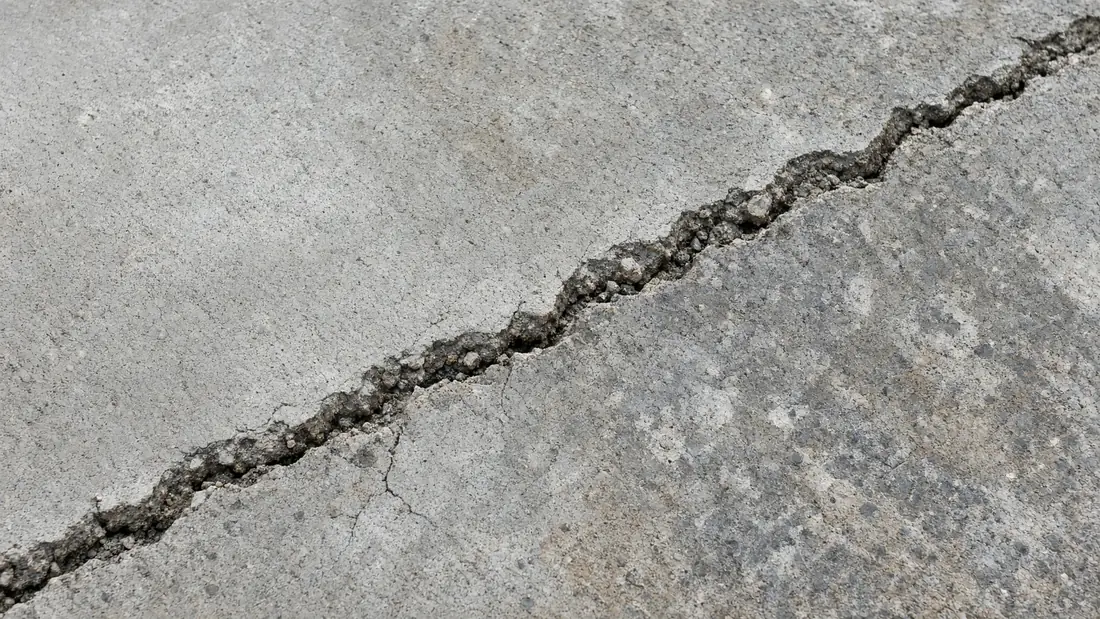
A cosmetic crack left alone usually stays a cosmetic crack. There's no urgency and we will say so.
An active crack is different. It's an opening into the slab, and in Florida that means moisture and insects have a path in. The movement that opened it doesn't stop on its own, and the repair gets larger and more expensive the longer the ground keeps shifting.
It costs less to look at early than to wait and see how far it goes.
It usually takes a couple of minutes on the phone to work out whether this is something that needs attention now or something to keep an eye on.
Serving Melbourne and Brevard County.