Slab-on-grade homes
Most homes around here sit on a concrete slab poured straight on the ground. When that slab moves, you feel it everywhere in the house.
Slab-on-grade is the standard foundation in this part of Florida. The concrete is poured directly onto prepared ground, and it depends entirely on that ground staying where it is.
There's no crawlspace to inspect and no basement to walk through. That's why slab problems tend to be noticed inside the house, in the floors and the door frames, long before anyone looks at the concrete.
A slab is only as stable as what's under it. Sandy soil supports concrete well until water starts moving through it, and then it carries the sand somewhere else. What's left is a void, and the slab bridges it until something cracks.
Plumbing under a slab is a common culprit and an easy one to miss. A supply line leak runs constantly and washes soil out from under the concrete for months before anyone notices a water bill they can't explain.
Poor original compaction is the other one. If the fill under a slab wasn't compacted properly before the pour, it keeps settling for years afterwards, usually unevenly.
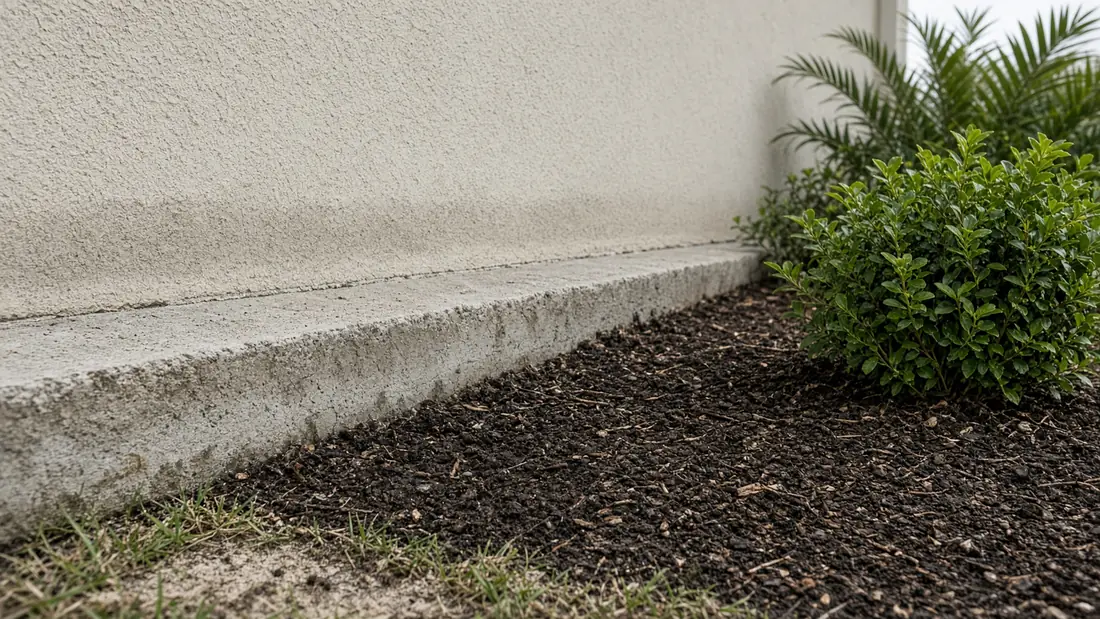
Lifting a settled slab back to level is possible, and sometimes it's the right call. Whether it is depends on why the slab dropped and whether it's still dropping.
A slab that settled once, years ago, and has been stable since may be better left alone and simply supported. Lifting concrete puts stress on plumbing, tile, and drywall that have long since adjusted to the current position.
Worth talking through before anyone starts drilling holes.
It usually takes a couple of minutes on the phone to work out whether this is something that needs attention now or something to keep an eye on.
Serving Melbourne and Brevard County.