When the ground gives way
Settlement is the foundation moving down because what was holding it up no longer does. Fixing it means reaching ground that will.
Every house settles a little in its first years. That's normal and it stops.
Settlement becomes a problem when it's uneven, when it keeps going, or when it starts again years after the house was built. That means conditions under the foundation changed, and the fix has to reach past whatever changed.
Loose or poorly compacted fill is the most common. The soil under the foundation compresses over time under the weight of the house, and rarely does it compress evenly.
Water is the accelerant, as it usually is here. Sand that stays put in normal conditions moves readily when water runs through it in volume, and a wet season can undo years of apparent stability in a few weeks.
Large trees close to a foundation pull significant moisture out of the soil during dry months. The ground shrinks on that side of the house and not the other, and the foundation follows.
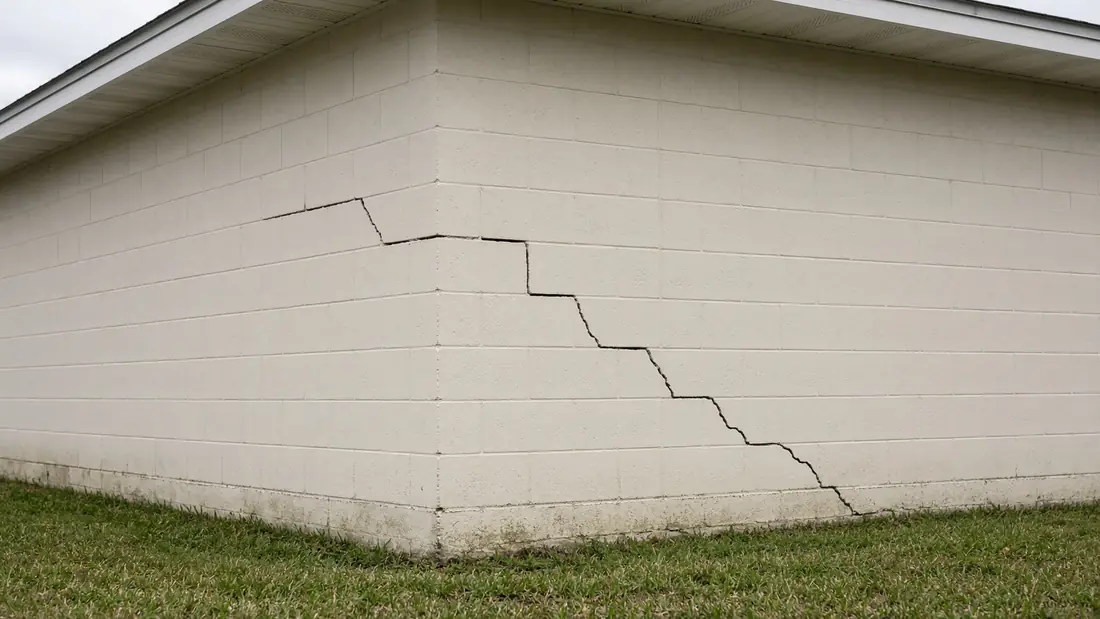
Pier work is the most involved foundation repair there is, and it's genuinely expensive. It's also frequently sold to people who don't need it.
Plenty of what gets called settlement is old, stable movement that stopped years ago and needs nothing beyond cosmetic repair. Some of it's a drainage problem that costs a fraction of underpinning to solve.
If that's what's going on at your house, that's what we'll tell you.
It usually takes a couple of minutes on the phone to work out whether this is something that needs attention now or something to keep an eye on.
Serving Melbourne and Brevard County.